Get Better
Shooting 75 or Over? Spend Only 10% of Your Range Time on Your Mid-Irons
The clubs you love to flush on the range are the ones quietly wasting your practice. Here's where your strokes are really made.
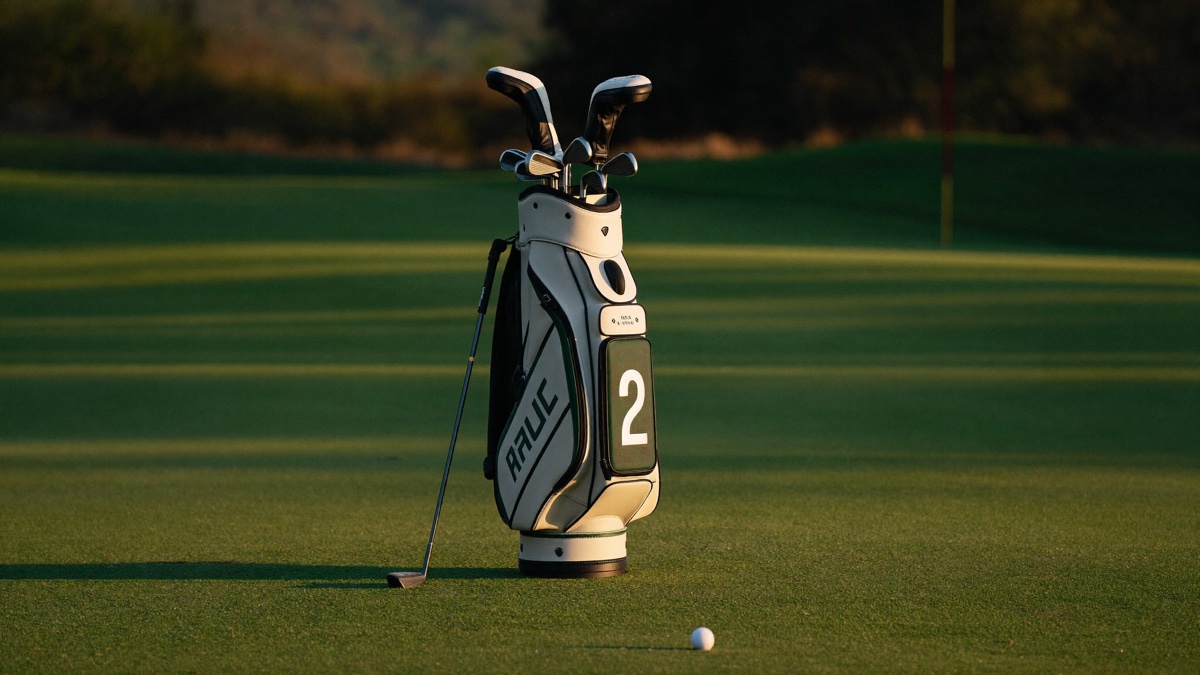
Look in your bag. Most of your fourteen clubs are irons and hybrids you can hit just fine. But if you shoot 75 or over (and unless you're a plus-handicap, that's you), almost none of your score is actually decided by your 8-iron through your 4-iron.
Those are the clubs you love to flush on the range. They're also the clubs quietly wasting your practice. Here's the rule: your mid-irons deserve about 10% of your range time. The other 90% belongs to the three clubs that actually decide your rounds: your driver, your wedges, and your putter.
Your mid-irons aren't where the round is won or lost
The 4-through-8 irons are full, repeatable swings. You're competent with them. You don't blow up a hole because you flared a 6-iron ten yards right. You blow it up off the tee, or by leaving a wedge thirty feet away, or with a sloppy three-putt.
Go back through your last few rounds and tag every dropped shot. Almost none of them will trace to a mid-iron. Yet that's the club most players hit most on the range, because flushing a 7-iron is the best feeling in practice. It's fun. It's also maintenance, not improvement — and it's stealing time from the clubs that are genuinely costing you.
The 90/10 rule
Keep the mid and long irons sharp with a tenth of your session. A handful of balls, each to a real target, full routine, just to confirm your strike and start line. Then put them back in the bag and spend the rest of your time where your score is actually made.
The three clubs that decide your rounds
Not by accident, these are the clubs most golfers practice least:
- Your driver: control, not distance. A ball in play versus a penalty or a block into the trees is the single biggest swing in any round. Grind a repeatable, reliable one-way miss and you take the big number off your card.
- Your wedges: the scoring zone. From 50–125 yards, this is where good players separate from great ones. They hit it to ten feet; you leave it thirty. Practice exact and in-between yardages, partial shots, and distance control, not stock full swings.
- Your putter: speed and the short ones. One loose three-putt or a missed five-footer is the round. Drill a speed ladder from long range and make everything inside six feet, because the three-putt is the cheapest stroke you give away.
What a smarter session looks like
Flip the ratio and your range time looks completely different:
- ~10% mid and long irons. A quick tune-up, then away they go.
- The bulk on wedges at odd numbers (37, 68, 91 yards), plus partial shots and trajectory control.
- Driver worked for a repeatable shape and staying in play, not for another ten yards.
- Putting and real short-game reps from awkward lies to finish.
Practice the shots you actually face on the course, not the ones that feel best on the mat.
Don't guess. Know your leaks
Here's the catch: golfers feel where they're losing shots, and feel is the least reliable thing in the game. The only way to spend your practice time correctly is to know your numbers: your proximity by club and your strokes gained by category.
That's exactly what the app is built for. It shows you which clubs are and aren't costing you across the nine pillars of a great round, so you stop grooving your strengths and start fixing what's actually keeping you from your next number.

Keep Reading