Mindset
The Best Free Golf Advice Isn't at the Golf Course
Everyone's fighting over the same swing tips. Meanwhile, the lessons that actually lower scores are sitting in plain sight — in a business owner's ledger, on a hiking trail, in a yoga class, and in a classroom run by someone who never broke 100.
There has never been more free golf advice in the history of the game. Every swing flaw you have, somebody on the internet has a fix for it — filmed from three angles, in slow motion, for free. And yet handicaps haven't really moved in decades.
Here's what I've come to believe after a lifetime in this game: the advice that actually changes your scores mostly isn't golf advice. The stuff everyone's fighting over — grip, plane, positions — is the crowded aisle. The real edges are sitting in places with no flagsticks at all, and every one of them is free. Let me show you four.
In business: know your numbers, or you're just guessing
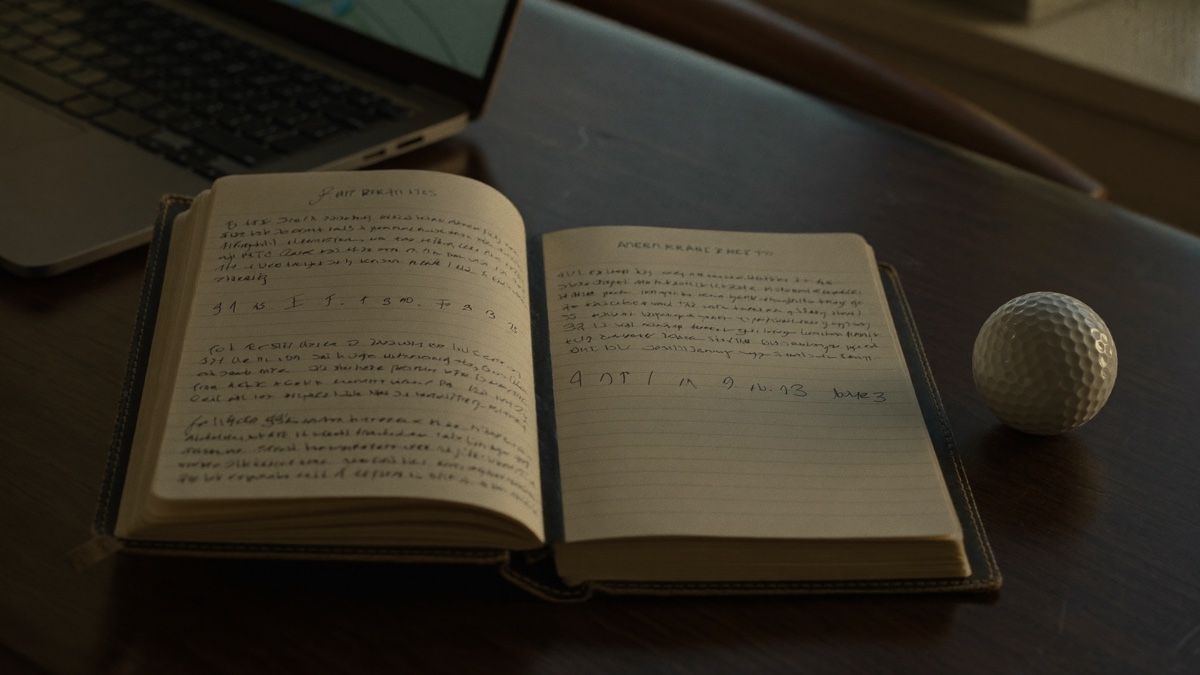
Ask any business owner who's survived more than a few years and they'll tell you the same thing: the business didn't get healthy until they got honest about the numbers. Revenue, costs, what's actually converting. Not how the month felt — what the books said. Then operations: repeatable systems, so the good weeks aren't accidents. Then analytics: knowing which lever, of all the levers, actually moves the result.
Now look at how most golfers run their game. No books. No systems. Pure vibes. They remember the two drives they striped and forget the three wedges they chunked, then spend the whole winter working on the driver. Memory is a terrible accountant. If you ran a business the way most people run their golf game, you'd be bankrupt by spring. Your scores are your revenue. Your practice is your operations. And the right stats are your analytics — they tell you where the strokes are actually leaking, which is almost never where you think.
On a hike: the path only asks for one step
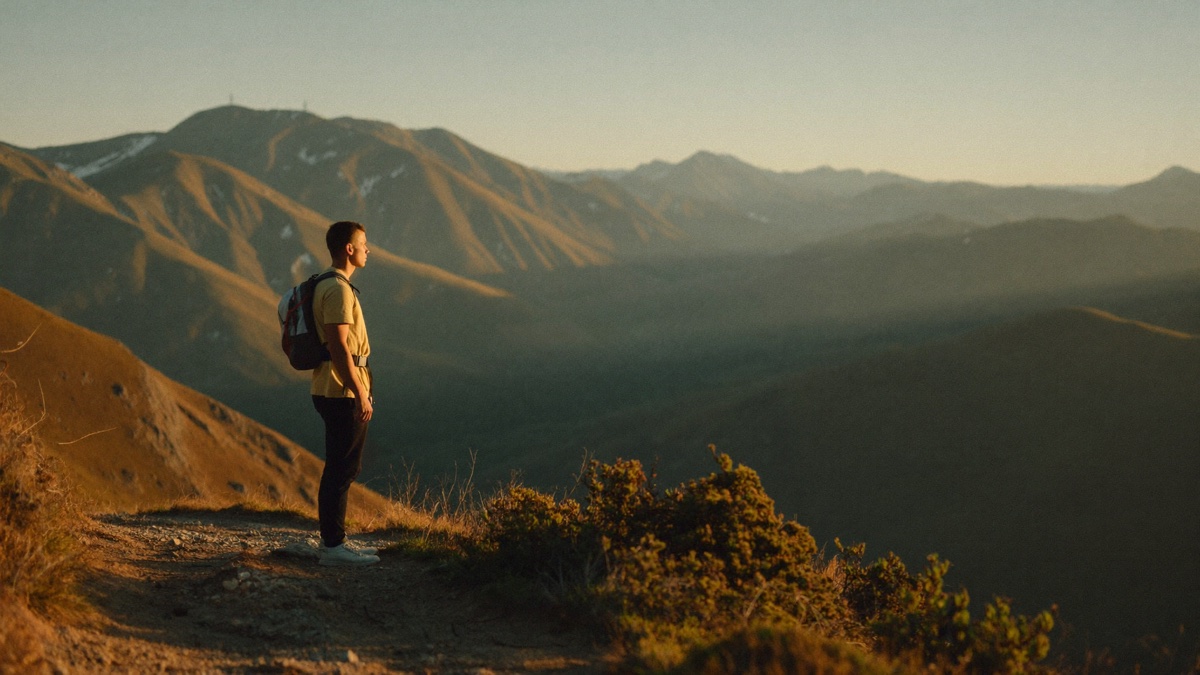
Go on a real hike — a long one — and somewhere around the second hour it teaches you something no range session ever will. You stop performing. Nobody's watching. You're not at the summit and you're not at the car; you're just on the path, and the path only asks for the step you're on. You start noticing things: the light, the air, how good it feels to simply be out there. That's the lesson. Taking in the moment isn't a break from the journey — it is the journey.
Golf is a five-mile walk that we ruin by refusing to be on it. We play the eighth hole still furious about the double on six, or already protecting a score we haven't shot yet. But the game is only ever asking for one step: this shot, this lie, this wind. The golfer who can walk between shots the way a hiker walks a trail — head up, present, actually enjoying it — arrives at the ball calm and clear-eyed. That's not a personality gift. It's a practiced skill, and a trail will teach it to you for free.
In a yoga class: the only club that's always in your bag
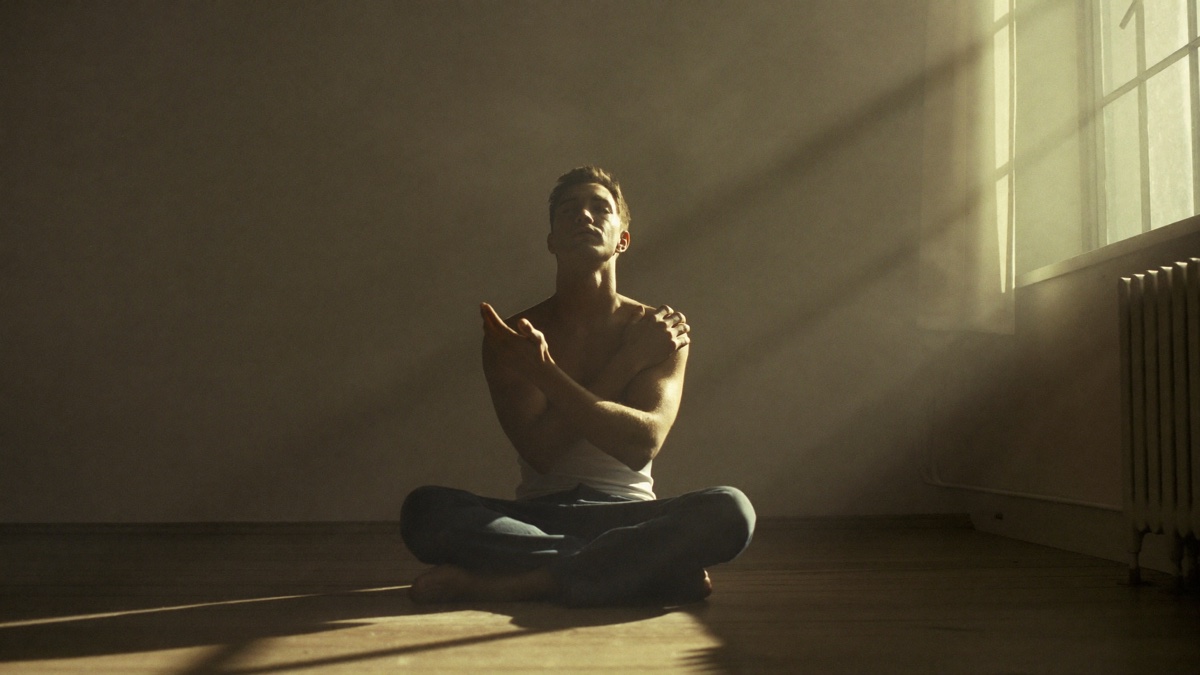
Walk into any yoga class and the first thing they teach you isn't a pose. It's how to breathe — because the breath is the one dial on your nervous system you can actually turn by choice. Slow inhale through the nose, longer exhale, and your body gets the message: we're safe, settle down. Heart rate drops. Hands quiet. Vision widens.
Nobody teaches golfers this, which is wild, because golf is a game played entirely between spikes of adrenaline. First tee with people watching. A slick four-footer to win the match. The protocol is almost embarrassingly simple: breathe in through your nose for a count of four, then let it out slow — six, even eight counts — as you walk into the shot, and finish the exhale over the ball. That long exhale is doing the exact opposite of what pressure is trying to do to you. Your swing doesn't abandon you under stress; your breath does, and the swing just follows it.
The teacher who never played the game
Some of the best golf advice I ever got came from a man who couldn't tell a 7-iron from a rake. A teacher. The kind every school has one of — the one who somehow gets more out of kids than anyone else in the building. He didn't know anything about golf. He knew everything about people.
He understood that confidence isn't something you're born with — it's evidence, stacked up one kept promise at a time, and it grows every time you do the thing you said you'd do, especially when you didn't feel like it. He understood that grit isn't gritting your teeth; it's the quiet decision to stay in something when nothing is working and nobody would blame you for quitting. He never said a word about golf, and he was describing the back nine of every round that's ever mattered. Down the stretch, golf stops being a golf problem and becomes a human problem — and the people who understand humans have been handing out the answer for free all along.
The one little thing that becomes your edge
Here's why any of this matters. When it gets tight — last three holes, match all square, a career round on the line — everybody's swing gets a little worse. Everybody's. The players who close aren't the ones with the best positions at the top; they're the ones holding one little thing the moment can't take away.
For one player it's the numbers — she knows exactly what her game does under pressure, so she plays the shot the books support instead of the hero shot. For another it's the walk — he's actually on the path up eighteen, not three holes behind or one score ahead. For another it's a four-count inhale and a slow exhale over the ball. For another it's a teacher's voice: stay in it. One little thing, borrowed from somewhere that has nothing to do with golf, carried up the last fairway like a stone in your pocket.
So here's my advice about advice: stop standing in the crowded aisle. Pick one of these — your numbers, the walk, the breath, the promise you keep to yourself — and make it yours before the next round. It costs exactly nothing. And the next time it comes down the stretch, you'll reach into your pocket and find the edge everyone else left at the range.

Keep Reading